Startup Guidance: A Practical Roadmap to Building a Successful Business
16 Apr 2026
Startup Guidance: A Practical Roadmap to Building a Successful Business
Starting a business is exciting—but without the right direction, it can quickly become overwhelming. From idea validation to legal compliance and funding, startups face multiple challenges. Proper guidance can help you avoid costly mistakes and set a strong foundation for long-term success.
What Is Startup Guidance?
Startup guidance refers to professional support and strategic advice provided to entrepreneurs at various stages of their business journey. It covers everything from ideation and planning to execution, scaling, and compliance.
Why Startup Guidance Is Crucial
1. Clarity in Business Idea
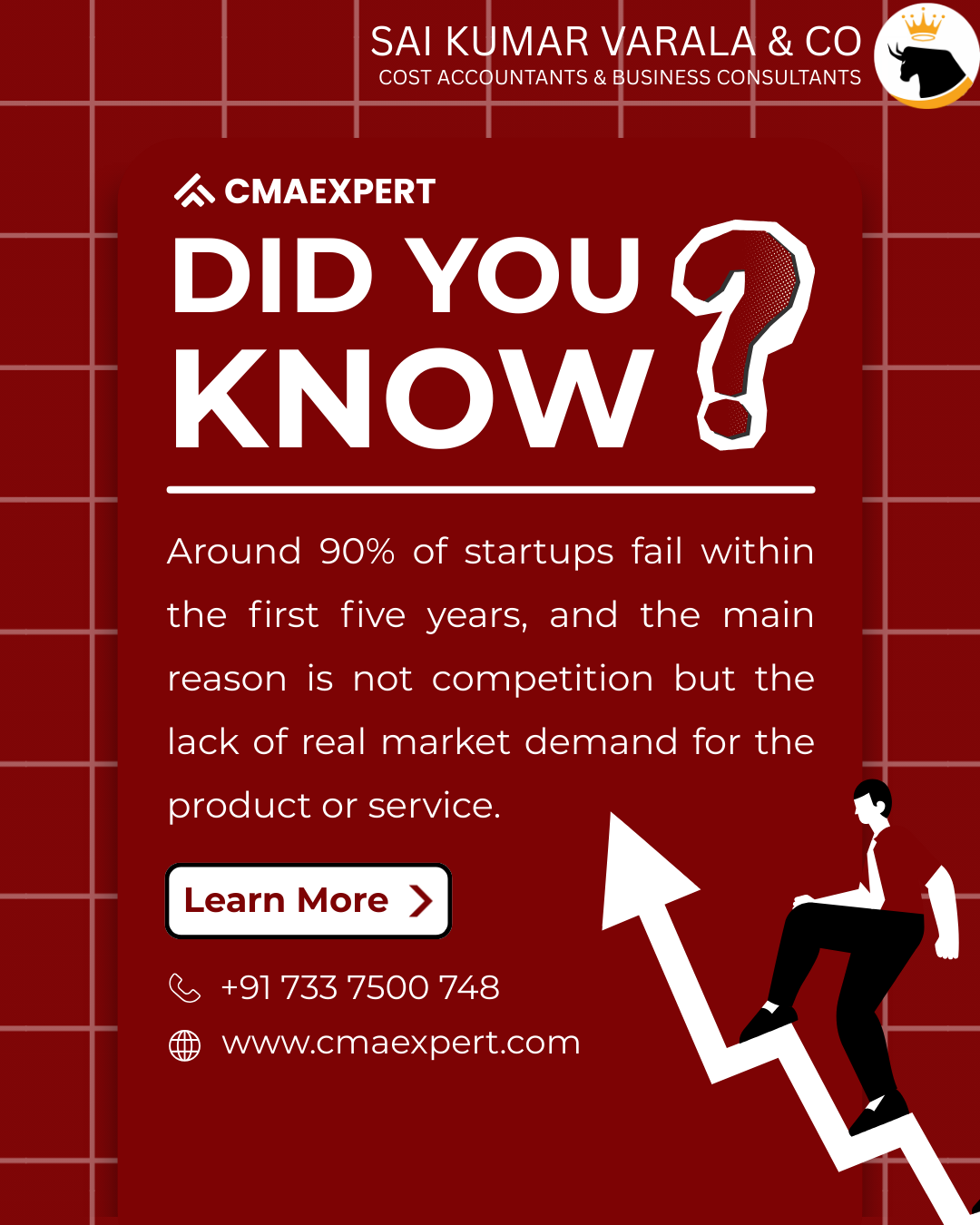
Many startups fail because the idea isn’t validated. Guidance helps you assess market demand, competition, and feasibility before investing time and money.
2. Structured Business Planning
A well-prepared business plan outlines your goals, target market, revenue model, and growth strategy. It also becomes essential when approaching investors.
3. Legal and Regulatory Compliance
Registering your business correctly and complying with laws (like GST, company incorporation, licenses) is critical. Mistakes here can lead to penalties or operational issues.
4. Financial Planning and Funding
Startup guidance helps in budgeting, cost estimation, and identifying funding sources such as investors, loans, or government schemes.
5. Risk Management
Every startup carries risk. Expert advice helps you identify potential risks and prepare mitigation strategies.
Key Areas of Startup Guidance
Business Idea Validation
Market research
Competitor analysis
Customer pain-point identification
Business Registration & Structure
Choosing the right structure is crucial:
Sole Proprietorship
Partnership Firm
LLP (Limited Liability Partnership)
Private Limited Company
Each structure has different legal, tax, and compliance requirements.
Financial Setup
Budget planning
Cash flow management
Break-even analysis
Accounting system setup
Tax & Compliance
GST registration and returns
Income tax compliance
Licenses and permits
ROC filings (for companies/LLPs)
Branding & Marketing Strategy
Brand identity creation
Digital marketing (SEO, social media)
Customer acquisition strategy
Funding & Investment
Bootstrapping
Angel investors
Venture capital
Bank loans and government schemes
Common Mistakes Startups Should Avoid
Skipping market research
Choosing the wrong business structure
Poor financial planning
Ignoring compliance requirements
Overestimating revenue and underestimating costs
Benefits of Professional Startup Guidance
Faster and smoother business setup
Reduced legal and financial risks
Better chances of securing funding
Efficient use of resources
Strategic growth planning
How to Choose the Right Startup Consultant
When selecting a startup advisor or consultancy firm, consider:
Experience with startups in your industry
Knowledge of legal and financial processes
Transparent pricing and service scope
End-to-end support capabilities
Client reviews and track record
Conclusion
Launching a startup is more than just having a great idea—it requires planning, compliance, and smart execution. With the right startup guidance, you can turn your vision into a sustainable and profitable business.
Whether you’re just starting out or looking to scale, expert guidance can provide the clarity and direction needed to navigate the complexities of entrepreneurship and achieve long-term success.
Startup Guidance: A Practical Roadmap to Building a Successful Business
Starting a business is exciting—but without the right direction, it can quickly become overwhelming. From idea validation to legal compliance and funding, startups face multiple challenges. Proper guidance can help you avoid costly mistakes and set a strong foundation for long-term success.
What Is Startup Guidance?
Startup guidance refers to professional support and strategic advice provided to entrepreneurs at various stages of their business journey. It covers everything from ideation and planning to execution, scaling, and compliance.
Why Startup Guidance Is Crucial
1. Clarity in Business Idea
Many startups fail because the idea isn’t validated. Guidance helps you assess market demand, competition, and feasibility before investing time and money.
2. Structured Business Planning
A well-prepared business plan outlines your goals, target market, revenue model, and growth strategy. It also becomes essential when approaching investors.
3. Legal and Regulatory Compliance
Registering your business correctly and complying with laws (like GST, company incorporation, licenses) is critical. Mistakes here can lead to penalties or operational issues.
4. Financial Planning and Funding
Startup guidance helps in budgeting, cost estimation, and identifying funding sources such as investors, loans, or government schemes.
5. Risk Management
Every startup carries risk. Expert advice helps you identify potential risks and prepare mitigation strategies.
Key Areas of Startup Guidance
Business Idea Validation
Market research
Competitor analysis
Customer pain-point identification
Business Registration & Structure
Choosing the right structure is crucial:
Sole Proprietorship
Partnership Firm
LLP (Limited Liability Partnership)
Private Limited Company
Each structure has different legal, tax, and compliance requirements.
Financial Setup
Budget planning
Cash flow management
Break-even analysis
Accounting system setup
Tax & Compliance
GST registration and returns
Income tax compliance
Licenses and permits
ROC filings (for companies/LLPs)
Branding & Marketing Strategy
Brand identity creation
Digital marketing (SEO, social media)
Customer acquisition strategy
Funding & Investment
Bootstrapping
Angel investors
Venture capital
Bank loans and government schemes
Common Mistakes Startups Should Avoid
Skipping market research
Choosing the wrong business structure
Poor financial planning
Ignoring compliance requirements
Overestimating revenue and underestimating costs
Benefits of Professional Startup Guidance
Faster and smoother business setup
Reduced legal and financial risks
Better chances of securing funding
Efficient use of resources
Strategic growth planning
How to Choose the Right Startup Consultant
When selecting a startup advisor or consultancy firm, consider:
Experience with startups in your industry
Knowledge of legal and financial processes
Transparent pricing and service scope
End-to-end support capabilities
Client reviews and track record
Conclusion
Launching a startup is more than just having a great idea—it requires planning, compliance, and smart execution. With the right startup guidance, you can turn your vision into a sustainable and profitable business.
Whether you’re just starting out or looking to scale, expert guidance can provide the clarity and direction needed to navigate the complexities of entrepreneurship and achieve long-term success.